Trainee scaffolder killed after five-metre fall
A scaffolding company has been fined after a trainee fell from a partially erected scaffold near Ripon.

- Incident
- Trainee scaffolder fell five metres on 5 July 2023
- Court outcome
- £16,000 fine, £8,000 costs and £2,000 victim surcharge
- Missing control
- No safe zone had been established
- Personal protection
- Workers were not using harnesses or lanyards
What HSE said
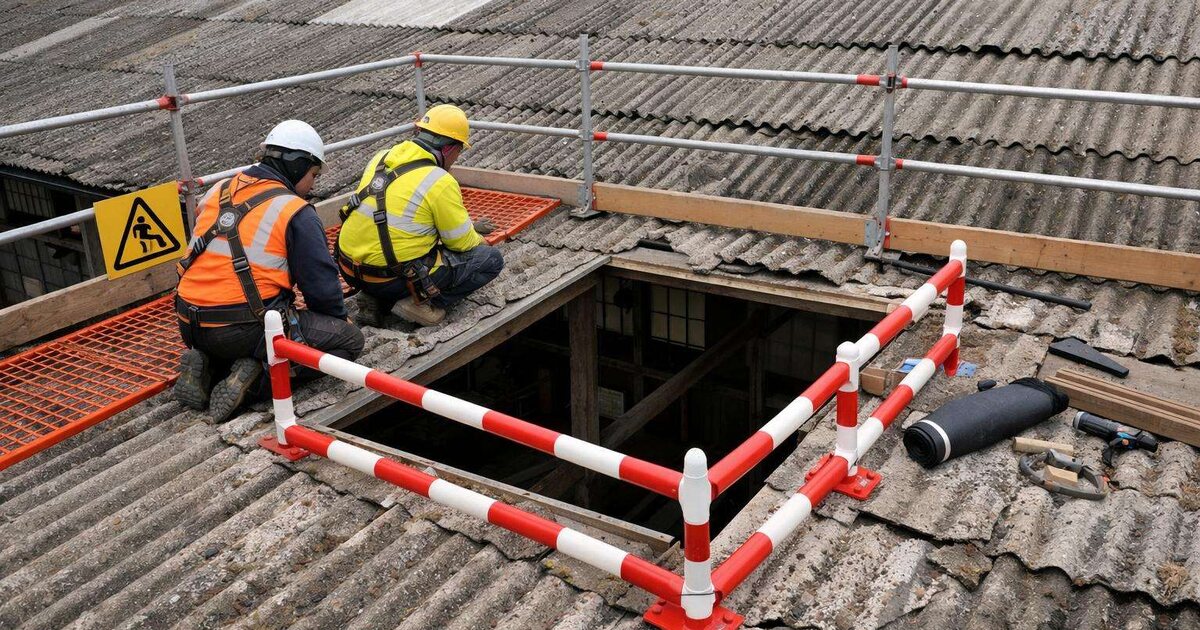
A scaffolding company has been fined after trainee scaffolder Michael Swales died in a five-metre fall from a partially erected scaffold at a residential housing development near Ripon in North Yorkshire. The incident happened on 5 July 2023 while he and a colleague were erecting scaffolding at the front of a two-storey house under construction.
Mr Swales fell after standing on an unsecured scaffolding board. Emergency services attended, but he died at the scene. The Health and Safety Executive (HSE) found that Ask Scaffolding Ltd had failed to ensure work at height was carried out safely, so far as was reasonably practicable. The company pleaded guilty to breaching Regulation 4(1)(c) of the Work at Height Regulations 2005.
Leeds Magistrates’ Court fined the company £16,000 and ordered it to pay £8,000 in costs and a £2,000 victim surcharge on 4 November 2026. HSE Inspector David Beaton said: “This tragic accident underlines the importance of those in control of scaffolding work making sure that it is being done safely and in accordance with industry guidance, and the potential consequences where this is not done.”
The lines that were missing from the RAMS
The HSE investigation found that safe zones had not been established during the scaffolding work, and neither worker was using a harness or lanyard. The release says there were inadequate measures to prevent or mitigate the risk of a fall.
The relevant duty is Regulation 4(1)(c) of the Work at Height Regulations 2005. The HSE says collective protection measures creating a ‘Scaffolder’s Safe Zone’ are the primary means of preventing falls. Personal protection, such as a harness and lanyard, should be used when a scaffolder is working without a safe zone.
The investigation also found that earlier scaffolding work had not followed industry guidance. A post-accident inspection identified that guardrails had not been installed where they should have been, while witnesses indicated that scaffolding work was regularly carried out without following the guidance.
What this means for a RAMS
For scaffold erection, alteration and dismantling, the RAMS should identify how collective fall protection will create a safe zone and minimise the time workers are exposed to a fall risk. It should state when a harness and lanyard are required where a safe zone is not available, in line with Regulation 4(1)(c) of the Work at Height Regulations 2005.
The RAMS should set out the sequence for safe erection, alteration and dismantling, including how unsecured boards and missing guardrails will be prevented. It should identify the competent people carrying out the work and the competent supervisor directing it. HSE guidance says scaffolding work should follow NASC Safety Guidance SG4 or similar manufacturer guidance.
The HSE scaffolds guidance says the assembly, use and dismantling plan should be drawn up by a competent person and kept available to everyone involved until the scaffold is dismantled. Your RAMS should explain where that plan is held, how workers access it and how changes to the scaffold or work sequence are controlled.
Before work starts, the RAMS should also cover checking that platforms are fully boarded and suitable for the task, that safe access is provided, and that incomplete scaffolding is marked and physically kept separate from the danger zone. The scaffold should be checked whenever it is substantially altered or adversely affected.
Official sources
HSE news for your RAMS, every Monday
Every prosecution and rule change of the week, with the line your RAMS needs.
We sent a link to . Nothing is sent until you click it.